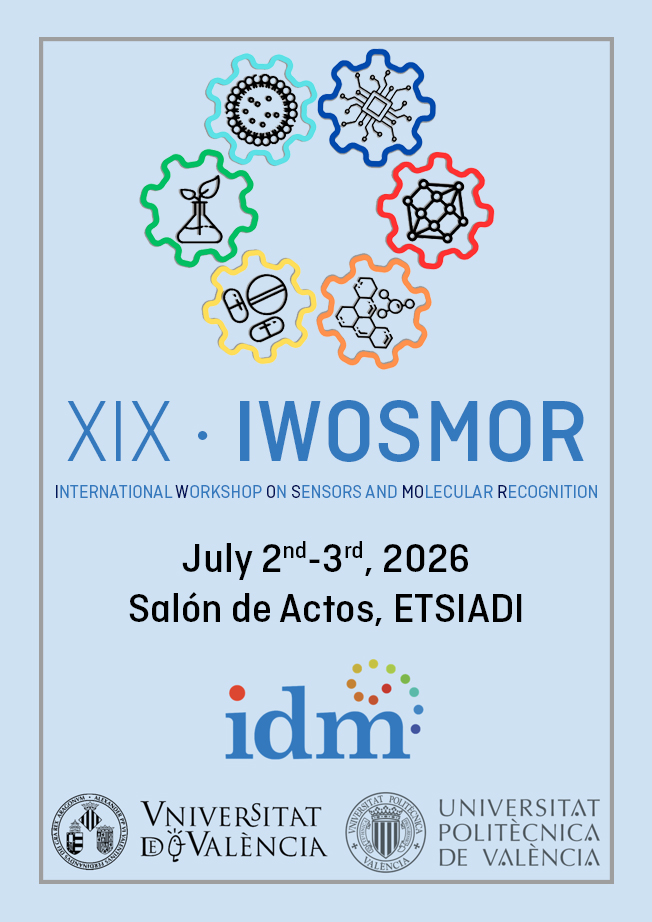



Welcome to XIX IWOSMOR
In October 2007, organized in the UniversitatPolitècnica de València, held for the first time a meeting between research groups engaged in the design, synthesis and evaluation of sensors for different detections. Since then, every year has been a meeting where will highlight the achievements that are reached in the field of the sensors and displays the results and experiences of research groups in different areas such as chemistry, biology, environment, medicine, pharmacy, engineering, etc.
The Centre of Molecular recognition and technological development (IDM) organizes the IX International WorkshopWorkshop on Sensors and Molecular Recognition which will be held on 6th and 7th July 2015 in the en la Escuela Técnica Superior de Ingeniería del Diseño de la UniversitatPolitècnica de València.
The Organizing Committee of the Workshop invites researchers in the field of sensors and related to submit their work and results as well as to participation in the discussions that are organized.
Sponsors




Organizing Committees
Josep Ramón Lliso Ferrando
Universitat Politécnica de Valencia
Aitor Cubells Gómez
Universitat Politécnica de Valencia
Vicente Martí Centelles
Universitat Politécnica de Valencia
Vicente Beltrán Morte
Universitat Politécnica de Valencia
Paula Rodrigo Martinez
Universitat de València
Martina Beviglia
Universitat de València
María del Carmen Carceller Zazo
Universitat de València
Jordi Hernández Contreras
Universitat de València
Scientific Committee
Ramón Martínez Máñez
Universitat Politécnica de València
Miguel Alcañiz Fillol
Universitat Politécnica de Valencia
Ángel Maquieira Catalá
Universitat Politécnica de Valencia
Ana Martínez Ibernon
Universitat Politécnica de Valencia
Rafael Sirera Pérez
Universitat Politécnica de Valencia
Margarita Parra Álvarez
Universitat de València
Mª Carmen Montesinos Mezquita
Universitat de València
Helena Florindo
Universidad de Lisboa
Yolanda Salinas
IMC Krems University of Applied Science
Carlos Lodeiro
Universidad Nova de Lisboa
Schedule
Upcoming events
These are some of the upcoming events:
Abstract Submission and Registration Opening
XIX-IWOSMOR
THU, APR 2
Abstract Submission and Registration Deadline
XIX-IWOSMOR
FRI, MAY 15
Scientific Committee Decision
XIX-IWOSMOR
FRI, MAY 29
IWOSMOR XIX (day 1)
Assembly hall, ETSIADI
THU, JUL 2
IWOSMOR XIX (day 1)
Assembly hall, ETSIADI
THU, JUL 2
IWOSMOR XIX (day 2)
Assembly hall, ETSIADI
FRI, JUL 3
Article Submission Opening
XIX-IWOSMOR
SAT, JUL 4
Article Submission Deadline
XIX-IWOSMOR
FRI, OCT 2
Book of Articles Publication
XIX-IWOSMOR
FRI, NOV 20
Thursday, 2 July
Morning Session
08:30–08:45 | Registration
08:45–09:10 | Opening Ceremony
Chaired by: Belén Picó Sirvent, Vice-Rector for Research, Universitat Politècnica de València
09:10–10:00 | Plenary Lecture (PL1)
Speaker: Helena Florindo
Revealing and reprogramming the solid tumor microenvironment for next-generation nano-immunotherapies
Chairperson: Alba García Fernández
Oral Session 1
10:00–10:15 | O.01
Sandra Clara Trujillo
Preclinical evaluation of bi-functional topospecific nanoparticles as a novel nanoimmunotherapeutic approach for solid tumors
10:15–10:30 | O.02
Rafael Guzmán Ferreira
Self-illuminating Artificial Cells for Autonomous Photodynamic Therapy as Antimicrobial Agents
10:30–10:45 | O.03
Miguel Reyes Torres
GOx-immobilized mesoporous silica nanoparticles: a nanocatalytic weapon against burn wound infections
10:45–11:00 | O.04
Iris Usach
β-Glucan-enriched hyalurosomes for enhanced topical delivery of isavuconazole against Candida albicans
11:00–11:40 | Coffee Break + Poster Session A
11:45–12:35 | Plenary Lecture (PL2)
Speaker: Marc Parrilla
Microneedle-based electrochemical sensors for human health and plant monitoring
Chairperson: Victoria González
Flash Session 1
12:35–12:40 | F.01
Yulieth Banguera
Portable electrophoretic lateral flow biosensing for ultra-sensitive human lactate dehydrogenase detection in serum samples
12:40–12:45 | F.02
Aitor Cubells Gómez
Holographic diffraction gratings based on low-toxicity polymeric hydrogels for label-free CRP detection
12:45–12:50 | F.03
Josué Lombeyda Manzo
Stimuli-responsive hydrogels for universal DNA detection: applied to pathogenic targets
12:50–12:55 | F.04
Vicent Sendra Ortolá
Immunofiltration assays to detect airborne microorganisms in hospital settings
12:55–13:00 | F.05
Sofia Domènech Dauder
Development and validation of nanoparticle-based test strips with molecular gates for the rapid detection of Pseudomonas aeruginosa
Oral Session 2
13:00–13:15 | O.05
Pamela Abigail Chillagana Pilapanta
Hydrogel-based microneedle platforms for biosensing applications
13:15–13:30 | O.06
Manuel Ros Sirvent
Lab-in-a-box: a solution for in situ analysis of pathogens
13:30–13:45 | O.07
Carolina Alventosa Díaz
Development of a point-of-care and ultra-sensitive rapid test for cytomegalovirus (CMV) detection with hybrid materials
13:45–14:00 | O.08
Eduardo Ortiz Gómez
How to trap a cancer drug: inside molecular cages
14:00–15:30 | Lunch Break
Afternoon Session
15:30–16:00 | Poster Session B
Chairperson: Miguel Alcañiz
Oral Session 3
16:00–16:15 | O.09
Carlos Pardo Cortina
A machine learning approach to hierarchizing non-covalent interactions in chiral liquid chromatography
16:15–16:30 | O.10
Marina Cuquerella Gilabert
PlaFisBioMO: a PBPK-driven digital platform for oral drug optimization
16:30–16:45 | O.11
María Amparo Lopo March
Assessing the interaction of quinolinium-based molecules with G-quadruplex DNA through biophysical analyses
16:45–17:00 | O.12
Marcos Camarasa
Electrochemical measurements system powered and controlled via NFC connection
17:00–17:15 | O.13
Sebastián Rivadeneira
Design and Simulation of an Inductorless DC–DC Converter for Microelectronic Electroporation Applications
17:15–17:30 | O.14
Mara Sarrión Masip
Experimental characterization of an in-house developed portable fluorescence reader
17:30–17:45 | O.15
Miguel Pérez
Optimizing planar coil geometry in LC tank biosensors
17:45–18:00 | O.16
Joaquin Castán
Flexible wearables in healthcare: KINESSENSOR
Chairperson: Ana Martínez
Flash Session 2
18:00–18:05 | F.06
Carlos Herrera Sáiz
Development and validation of a smart nanosensing platform for fentanyl detection
18:05–18:10 | F.07
Jordi Roig Rubio
Rapid colorimetric screening of benzodiazepines in beverages using a BODIPY-based solid-phase device
18:10–18:15 | F.08
Agustina Altuna
Novel optical probes for illicit drugs detection
18:15–18:20 | F.09
Rocío López Lima
Molecular cage sensor for rapid on-site detection of GHB
18:20–18:25 | F.10
Almudena Martí Morant
MoS₂ nanozymes for photothermal applications
18:25–18:30 | F.11
Esther Navarro Blasco
Pyridine-functionalized diamine ligands as building blocks for hydrolytic copper metallocages
18:30–18:35 | F.12
Martina E. Beviglia
Quinone self-immolative gates attached to functionalised MCM-41 nanosystems for DT-diaphorase-controlled release
18:35–18:40 | F.13
Carla Beseler León
Synergistic antimicrobial activity of natural peptide-functionalized mesoporous silica nanoparticles loaded with essential oil components
18:40–18:45 | F.14
María Miralles Buleo
Cooperative nanoparticle-based system for enhanced antitumoral effect in 3D tumor models
18:45–18:50 | F.15
Lara Mollá Guerola
Development of a peptide–Nile Blue fluorescent probe for granzyme K detection
Friday, 3 July
Morning Session
09:10–10:00 | Plenary Lecture (PL3)
Speaker: Carlos Franco
From bioinspired microrobots to steerable catheters: engineering local therapies in complex anatomy
Chairperson: Pau Arroyo
Oral Session 4
10:00–10:15 | O.17
Francisco J. Hicke
Engineered nanomotor–nanoparticle communication by stigmergy for eradication of persister cells in Pseudomonas aeruginosa biofilms
10:15–10:30 | O.18
Arthur Reymond
Tailoring nanoparticle synthesis toward self-propelled nanozymes
10:30–10:45 | O.19
Andrea Lázaro Gómez
Extended triphenylamine ligands for bacterial G-quadruplex photoinactivation
10:45–11:00 | O.20
Carmen Coll Merino
Nitroreductase-responsive theranostic silica nanoparticles for targeted paclitaxel in hypoxic tumors
Flash Session 3
11:00–11:05 | F.16
Víctor Sanz Álvarez
Self-propelled nanomotors for the treatment of fungal biofilms
11:05–11:10 | F.17
Raquel Valero Boix
Acoustic signatures reveal multistage mechanical maturation of bacterial biofilms
11:10–11:15 | F.18
Claudia Monrós Peris
Topical liposomal systems for delivery of antifungal agents
11:15–11:45 | Coffee Break + Poster Session C
Chairperson: Ana Melero
Oral Session 5
11:45–12:00 | O.21
Caterina Azais Aequa
Wireless magnetoelectric interfaces for deep-brain neuromodulation
12:00–12:15 | O.22
Xuefan Chen
Evaluation of different nanoclays as drug carriers for cyclosporine
12:15–12:30 | O.23
José Alejandro Bernabeu Martínez
Simvastatin-loaded hypoxia-responsive liposomes inhibit melanoma cell proliferation
12:30–12:45 | O.24
Miquel Martínez
Improving therapeutic effect of nanoparticles for skin anti-inflammatory purposes via surface decoration with macrophage-derived elements
Flash Session 4
12:45–12:50 | F.19
Eva Caudé Rúbicos
Dual stimuli-responsive mesoporous silica nanoparticle-loaded hydrogels for on-demand doxorubicin release
12:50–12:55 | F.20
Adriana Camino Di Prinzio
Artificial cells as remote-controlled nanodevices for NIR-triggered cancer therapy
12:55–13:00 | F.21
Jessie García Fleitas
β-Galactosidase-Activated Prodrug for Selective Senescent Cell Elimination
13:00–13:05 | F.22
Karlamercy de la Caridad Sánchez Llerena
Immune-targeted mRNA nanoplatforms: a new therapeutic approach against tuberculosis
13:00–14:00 | Plenary Lecture (PL4)
Speaker: Valentín Ceña
Nanomedicine approach to glioblastoma therapy
14:00–14:15 | Closing Ceremony
Speakers
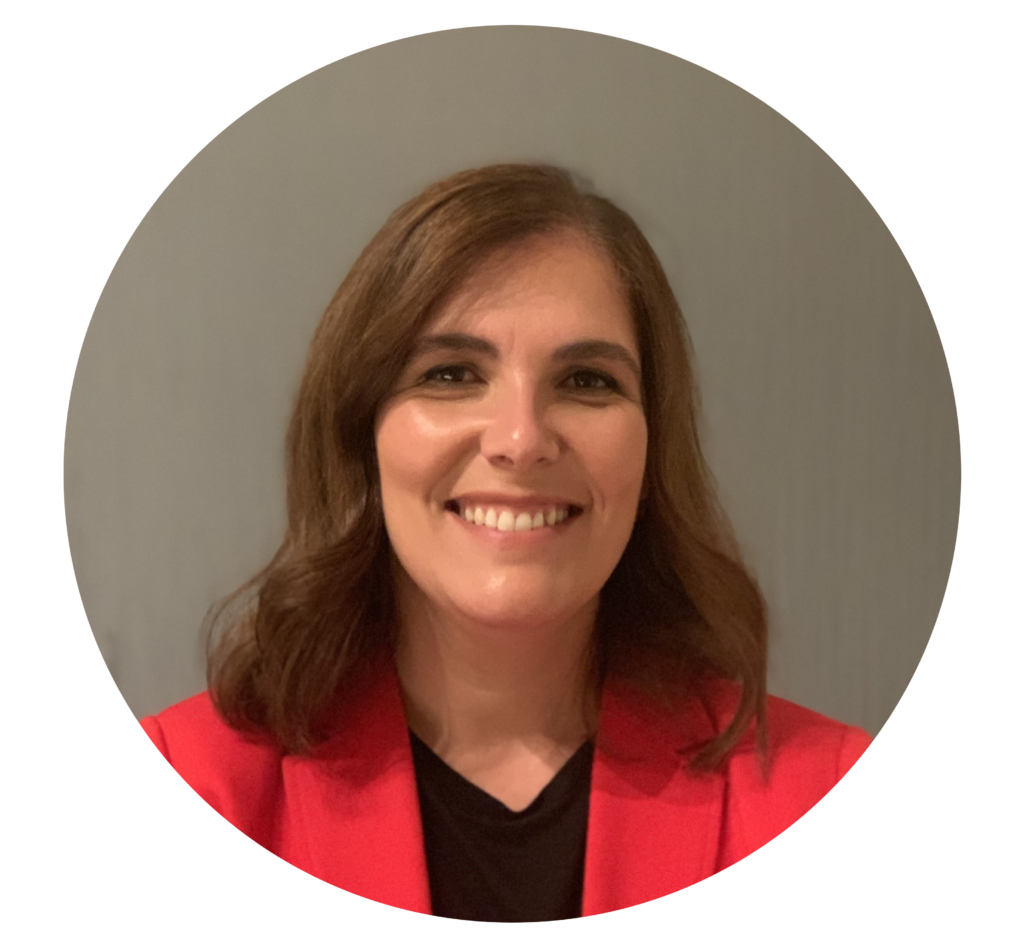
Helena Florindo
Helena Florindo graduated in Pharmaceutical Sciences in 2003 (University of Lisbon) and obtained her Ph.D. degree in Pharmaceutical Technology in 2008 (University of Lisbon), in collaboration with the University of London. Currently, she is a Full Professor in the Department of Pharmacy, Pharmacology, and Health Technologies, and a Vice-Dean at the Faculty of Pharmacy, University of Lisbon. Since 2015, she has been the head of the BioNanoSciences – Drug Delivery & Immunoengineering Research Group, at the Research Institute for Medicines (iMed.ULisboa), University of Lisbon. Helena is also a member of the Portuguese Medicines Agency Evaluation Board (INFARMED) and an expert to the European Medicines Agency (EMA), thus supporting the evaluation of marketing authorization procedures for new drugs and biologics. This knowledge in regulatory sciences also guides the research within her research group, which has been focused on the rational development of functionalized nanomaterials as new therapies or vaccines for infectious diseases and cancer. It includes the characterization of the anti-tumor effects induced by the combination of nano-vaccines with nano-therapeutics designed to modulate the functions of key cells within the tumor microenvironment, such as T cells, myeloid-derived cells, and tumor cells.
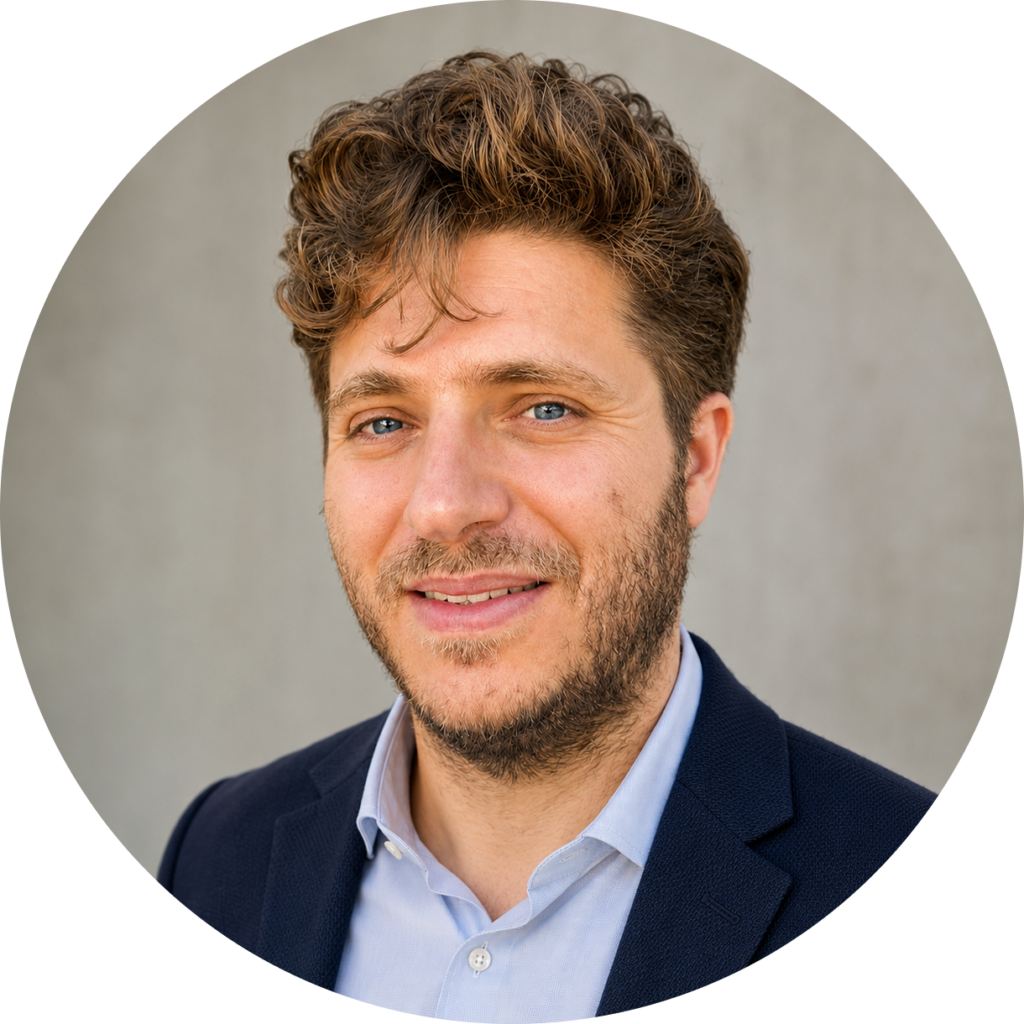
Carlos Franco
Carlos Franco Pujanto is a Senior Scientist and group leader in the Department of Mechanical and Process Engineering at ETH Zurich, where he works at the interface of nanotechnology, materials engineering, biomaterials, and biomedical innovation. His research focuses on the design of advanced functional systems for healthcare applications, including microfluidic platforms, bioinspired materials, nanoscale interfaces, and minimally invasive technologies for targeted therapy and regenerative medicine. With a strong background in chemistry, surface science, nanoparticles, and materials engineering, he develops interdisciplinary approaches that connect fundamental materials design with biomedical challenges. His current work includes smart and responsive therapeutic platforms, micro/nanorobotic systems, localized drug delivery strategies, and technologies with potential applications in cancer therapy, tissue regeneration, and precision medicine. He has contributed to international research projects and collaborative initiatives spanning materials science, engineering, and biomedicine.
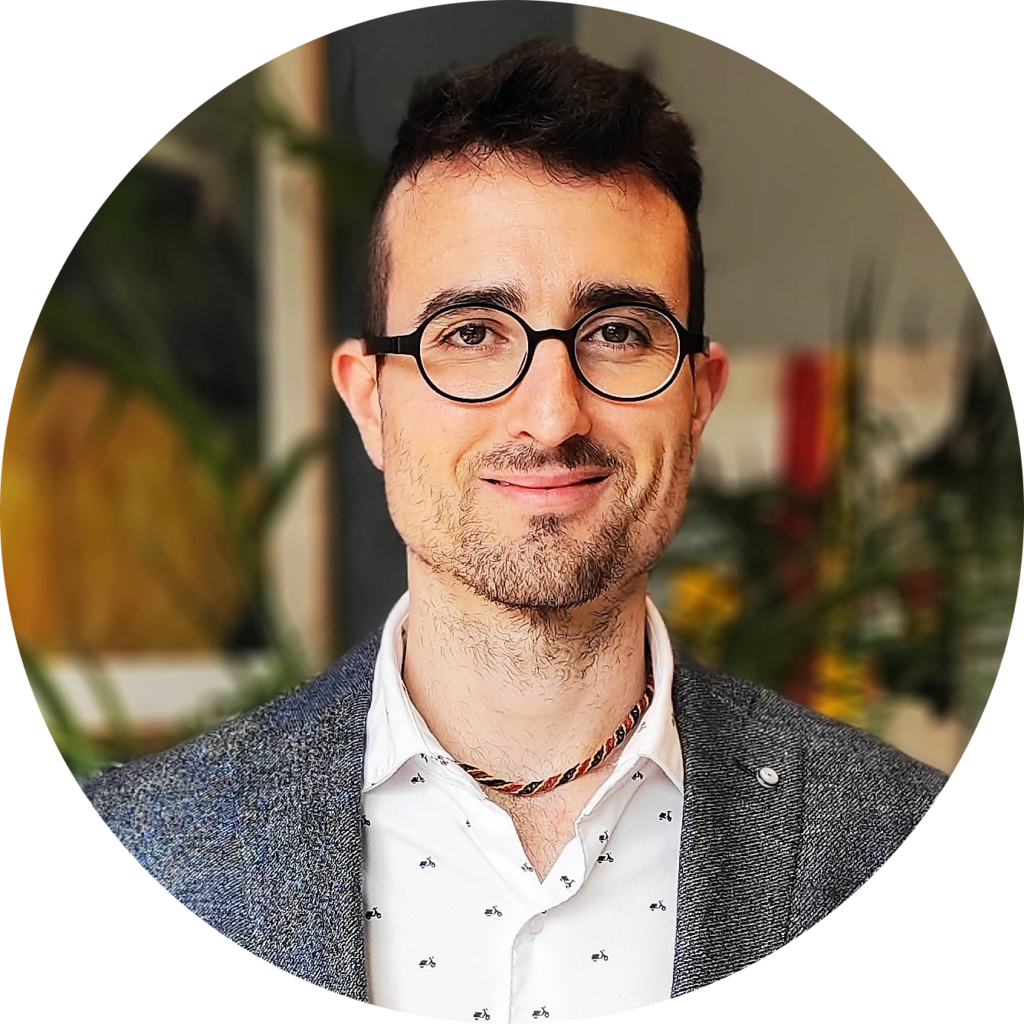
Marc Parrilla
Marc Parrilla is a tenure-track researcher at the Institute of Microelectronics of Seville (IMSE-CNM, CSIC) under a Ramón y Cajal Fellowship. He earned his PhD in nanoscience, materials, and chemical engineering in 2016 from the University Rovira i Virgili in Spain, where his doctoral thesis focused on “Electrochemical sensors for decentralized analysis”.
Throughout his career, Dr Parrilla has held research positions at several prestigious international institutions, including KTH Royal Institute of Technology (Sweden), and the University of Antwerp (Belgium), as well as research stays at the University of California San Diego (USA), and Queen’s University Belfast (UK). His research expertise lies at the intersection of material science and bioelectronics, specifically focusing on the end-to-end development of wearable electrochemical sensing systems and full analytical characterization.
His primary research contributions include:
Microneedle Sensing Technology: He has pioneered the use of 3D-printed hollow and solid microneedle arrays for the minimally invasive monitoring of biomarkers in diverse applications:
- Human health monitoring of biomarkers in skin interstitial fluid: He has developed innovative sensing platforms for the continuous monitoring of various analytes such as glucose, ions, therapeutic drugs, such as methotrexate, using functionalized microneedle patches.
- Precision Agriculture: His work has expanded the application of wearable sensors to the agricultural sector, developing 3D-printed microneedle devices for in situ plant health monitoring by analyzing potassium, pH, glucose, and H2O2 in plant sap.
Other wearable configuration: (i) Sweat patches: He has investigated epidermal configurations to embed electrochemical sensors for sweat monitoring, and (ii) integration of self-powered systems: He is introducing energy harvesting modules toward wearable self-powered electrochemical devices (WeSPEDs), like triboelectric nanogenerators to create battery-free health management tools.
Dr Parrilla has an extensive publication record with over 4,500 citations and an h-index of 33 as of May 2026. His work is frequently featured in high-impact journals such as ACS Sensors, and Biosensors and Bioelectronics.
Valentín Ceña
I earned my degree in Medicine from the Faculty of Medicine at the Autonomous University of Madrid in 1980 and my PhD in Medicine in 1982. I completed two postdoctoral fellowships: one at Downstate Medical Center in New York and another, lasting four years, at the National Institutes of Health in Bethesda.
I have been Professor of Pharmacology at the University of Alicante, Miguel Hernández University, and the University of Castilla-La Mancha. I have been awarded seven six-year research periods.
I have served as coordinator of Area 3B, Physiology and Pharmacology, at ANEP; co-coordinator of CICYT in the area of molecular pathology; and Deputy Director General for CIBER, Networks, and Cooperative Research at the Carlos III Health Institute.
My research has focused on three main areas: a) the ionic mechanisms responsible for neurotransmitter secretion, using chromaffin cells as a model; b) the molecular mechanisms involved in neuronal death; and c) the use of RNAi technology, specifically siRNA, to develop new therapeutic approaches for central nervous system diseases, including neurodegenerative diseases and CNS tumors. I have published more than 140 peer-reviewed articles, 90% of them in Q1 journals and, among those, half in D1 journals. My articles have received more than 23,500 citations, and my h-index is 50.
Information
Registration and fees
Registration for the congress is free of charge; however, prior registration is mandatory to attend.
- Registration period: 2 April 2026 to 15 May 2025.
- Please note that acceptance of the contact and privacy terms and conditions is required, allowing the event organisers to send email communications related to the congress.
- The organisers will confirm each registration, and a confirmation email will be sent to the registered participant.
Attendance certificate: once the event has concluded, certificates of attendance will be sent.
Abstract and communication submission
ABSTRACTS SUBMISSION
- Enabled period to send ABSTRACT proposals through the registration form: 2 April 2026 to 15 May 2025.
- 2 different abstract proposals may be submitted.
- The abstracts must be uploaded as an editable DOC and must be based on the following template:
- Download the abstract template (MANDATORY!!) (.docx/enlace)
- Please name the editable DOC file using the following format: [PresentationType]_Surname_FirstName_XIX_IWOSMOR_2026, where [PresentationType] should be replaced with either ‘Oral’, ‘Poster’, or ‘Flash’ depending on the type of presentation.
Topics:
- Agrifood
- Biomedicine
- Electronic Devices
- Functional Materials for Sensing & Bio-sensing
- Miscellanous
- Supramolecular Chemistry & Molecular Sensing
EVALUATION PERIOD
- Those abstracts accepted as oral presentations will be notified individually. They will also be informed that they must submit their presentation at least 48 hours prior to their presentation.
- Those whose abstracts are accepted and want to present a poster, don’t need to send it since they will exhibit it directly at the event.
- The file. To view the tab “Documentation” the user must sign in.
IMPORTANT CONSIDERATIONS AND REQUIREMENTS
- Oral communications will take 12 minutes (plus 3 minutes for discussion).
- Flash communications consist of a 5-minute oral presentation and a poster presentation. Please use the Poster Template. As many flash communications as the schedule allows will be assigned. Those not selected will be invited to present in poster format.
- Poster communications consist of a poster that should not be uploaded; instead, it must be brought printed on the day of the conference. Download the poster template (MANDATORY!!) (.docx/enlace)
- Posters must have a maximum size of 60 cm wide by 80 cm high.
Requirements:
- At least one author for each communication must be registered.
- More than two contributions per registration will not be accepted.
More than one oral communication (standard or flash) per registration will not be accepted.
Book of Articles – Submit
Template for the realization of the BOOK OF ARTICLES. Download the Article template (MANDATORY!!) (.docx/enlace)
Deadline for sending articles until October 2, 2026, to the following e-mail: iwosmor.idm@gmail.com
The maximum length of the entire document, including references and acknowledges, is four pages.
The book of articles will be password protected. To access it, please contact jordi.hernandez@uv.es
Available 20 November 2026